How to dispose of and recycle old batteries safely
- 11 Mar, 2026
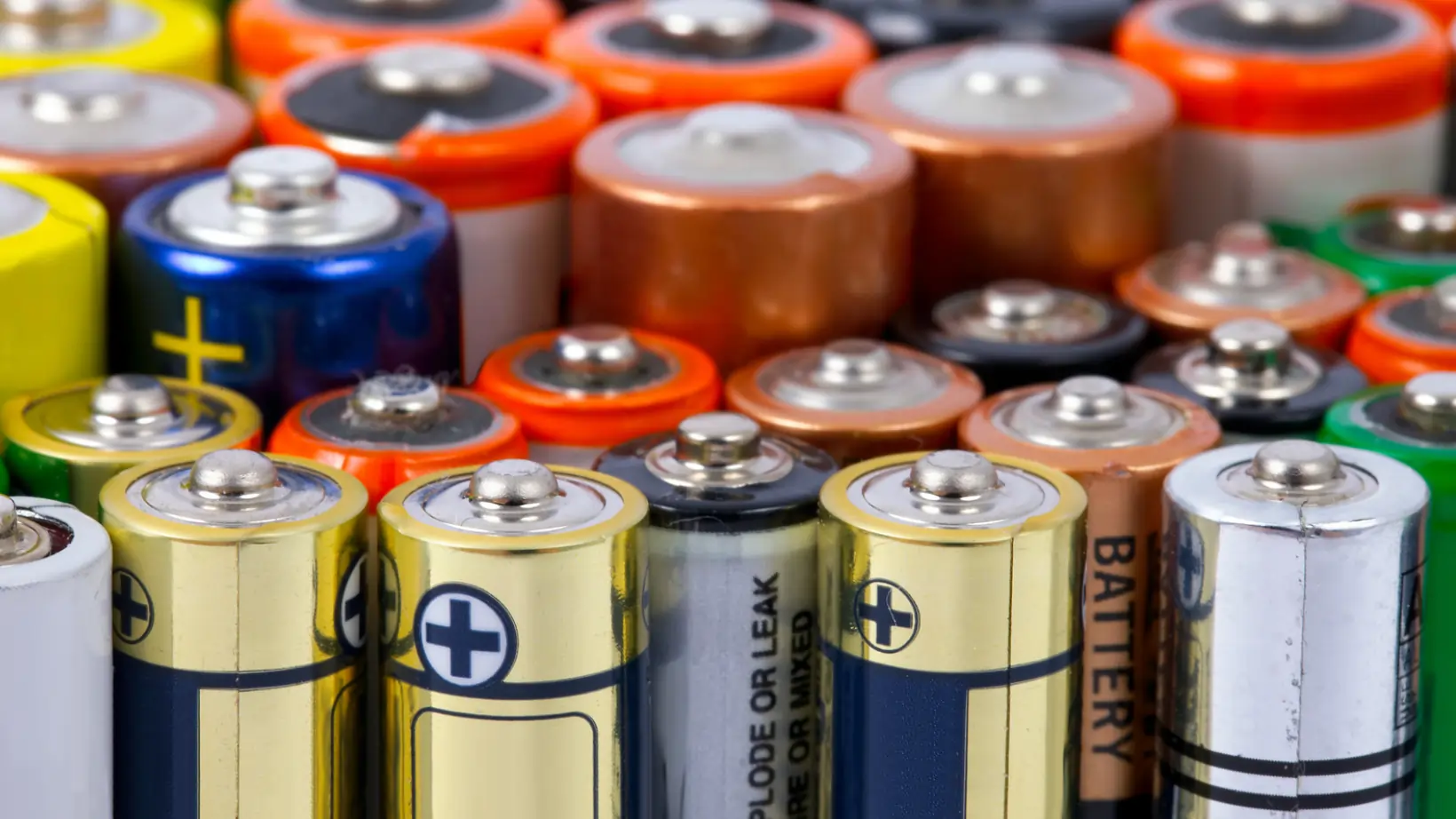
Most homes collect a drawer full of dead batteries sooner or later. Remote controls, toys, torches, smoke alarms, kitchen scales and wireless keyboards all get through them, and it is tempting to drop the empties straight into the kitchen bin. That is the one place they should not go. Batteries contain metals and chemicals that are better recovered than buried, and some types can cause fires when they are crushed in a bin lorry or at a waste site. The good news is that recycling them properly is easy once you know how.
Why batteries do not belong in the household bin
There are two main reasons to keep batteries out of general waste.
- Safety. Lithium batteries, and even some batteries that seem flat, can still hold a charge. If they are damaged or their terminals touch metal, they can short circuit, overheat and start a fire.
- Resources. Batteries contain materials such as zinc, manganese, steel, nickel and lithium that can be recovered and reused when batteries go through a proper recycling process.
It is also worth remembering that batteries are often hidden inside other products. Electronic gadgets, toys with lights or sounds, vapes, electric toothbrushes and greeting cards that play music all contain cells that need the same care.
How to store used batteries until you recycle them
Rather than making a trip every time a battery runs out, keep a small collection container at home and empty it every few weeks. A few simple habits make this safe:
- Use a non metal container with a lid, such as a plastic tub or a cardboard box, and keep it somewhere cool and dry.
- Cover the terminals of 9V batteries, lithium batteries and coin cells with a small piece of clear tape, so they cannot touch each other or anything metal. Clear tape keeps the label readable for the recycling centre.
- Keep the container out of reach of children and pets.
- Do not mix in batteries that are swollen, leaking or visibly damaged. Put those in a separate bag and take them for recycling as soon as you can.
- Do not try to open, crush or puncture any battery.
Coin cell batteries deserve extra attention. They are small and shiny, and they can be very dangerous if a child swallows one. Store spares in their original packaging, keep used ones out of reach and seek urgent medical help if you think a child has swallowed a battery. Our quick guide to coin cell batteries explains the different sizes and markings.
Where to recycle batteries in the UK
Recycling household batteries is usually free and convenient. Common options include:
- Shops that sell batteries. Many supermarkets, DIY stores and electrical retailers have a battery collection box near the entrance or tills.
- Household waste and recycling centres. Your local tip will normally accept batteries, and often larger batteries too.
- Kerbside collections. Some councils collect batteries alongside other recycling, usually in a small clear bag placed on top of your bin. Check your council’s website before you put any out, as the rules vary from area to area.
Car batteries, e-bike batteries and other large batteries should not go in the small collection boxes. Take them to a household waste centre or ask the retailer or garage that supplies the replacement how they handle old ones.
Cutting down on battery waste
Recycling is important, but using fewer single use batteries in the first place is even better. Devices you use every day, such as game controllers, wireless mice, remote controls and children’s toys, are often good candidates for rechargeable batteries. A set of rechargeable AA or AAA cells and a decent charger can replace a large number of disposables over their lifetime. If you are weighing up the options, our comparison of alkaline vs rechargeable batteries covers the pros and cons.
Single use alkaline batteries still make sense for low drain devices that run for months on one set, such as wall clocks and some smoke alarms. Whichever type you choose, buying the right size for the device, storing spares properly and recycling the empties keeps your home safer and keeps useful materials in circulation.